
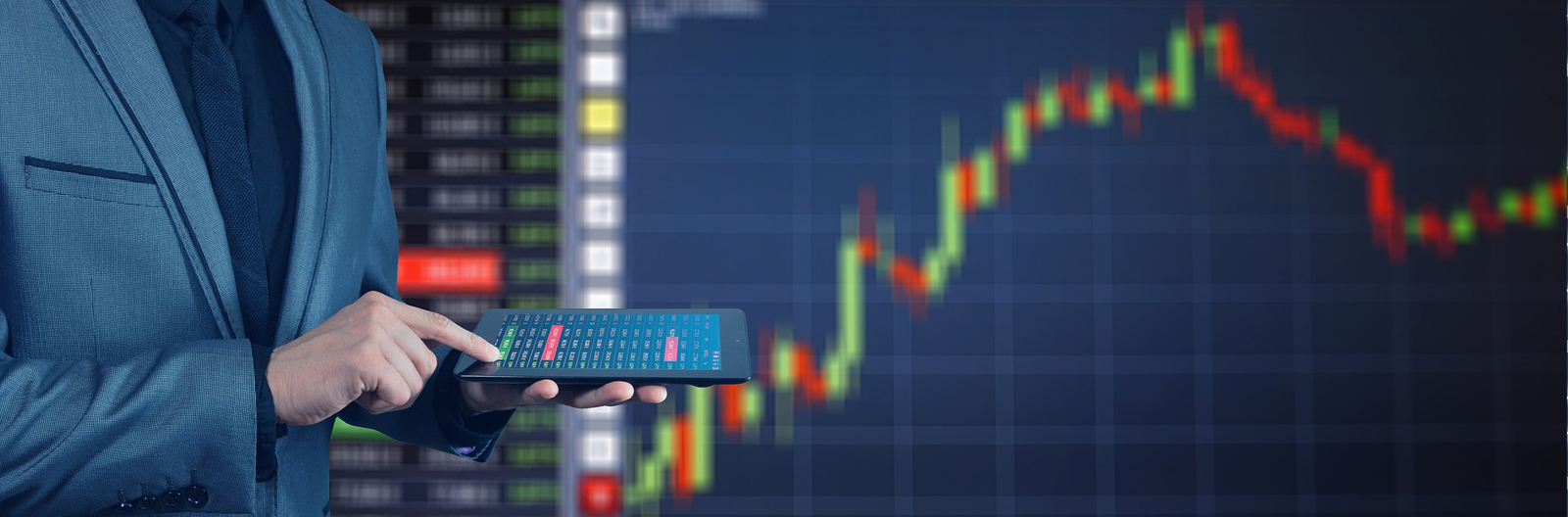
Intraday Trading Tips for Beginners: 10 Rules You Should Know

Intraday Trading Tips for Beginners: 10 Rules You Should Know
Intraday trading involves buying and selling stocks or other market instruments within the same trading session. Unlike long-term investing, where investors may hold a stock for months or years, intraday traders attempt to benefit from short-term price movements.
For beginners, understanding the basic principles of intraday trading is essential before risking real money. Successful trading is not simply about finding a stock that is moving quickly. It requires proper planning, risk management, technical analysis, discipline, and the ability to control emotions.
If you are looking for intraday trading tips for beginners, the following 10 rules can help you develop a more structured approach to day trading.
Important: Intraday trading involves substantial risk. There is no guaranteed strategy for making profits, and traders can lose part or all of their trading capital.
1. Always Have a Trading Plan
One of the most important intraday trading tips for beginners is to create a trading plan before entering the market.
A trading plan should define:
- Which stocks or instruments you will trade
- Entry conditions
- Target price
- Stop-loss level
- Maximum acceptable loss
- Position size
- Exit conditions
Avoid entering trades simply because a stock is moving rapidly or because of a social media recommendation. Having predefined rules can help reduce emotional decisions.
2. Learn Technical Analysis
Technical analysis is widely used in intraday trading to study price movements, trends, volume, support, resistance, and momentum.
Beginners should first understand basic concepts such as:
- Support and resistance
- Trend lines
- Moving averages
- Trading volume
- Candlestick patterns
- Breakouts
- Market momentum
You do not need dozens of indicators to begin. Understanding a few tools properly may be more useful than using multiple indicators without understanding them.
3. Always Use a Stop-Loss
Using a stop-loss is one of the most important intraday trading rules.
A stop-loss defines the maximum loss you are willing to accept on a trade. If the market moves against your position, the stop-loss can help limit the potential damage.
For example, if you buy a stock at ₹500 and establish a stop-loss at ₹490, the planned risk is ₹10 per share before considering charges and execution differences.
The exact stop-loss level should depend on the trading setup, volatility, and your risk tolerance rather than being chosen randomly.
4. Manage Your Position Size
Even a good trading strategy can produce losses. Therefore, position sizing is an important part of intraday trading risk management.
Instead of putting a large portion of your capital into one trade, determine how much you are willing to risk and calculate your position size accordingly.
A simple framework is:
- Position Size = Maximum Acceptable Risk ÷ Risk Per Share
This helps ensure that one unsuccessful trade does not significantly damage your overall trading capital.
5. Avoid Overtrading
Beginners may feel the need to enter multiple trades throughout the trading session. However, more trades do not necessarily mean more profits.
Overtrading can result from:
- Fear of missing out
- Trying to recover losses
- Emotional decision-making
- Lack of a clear setup
- Excessive confidence after winning trades
One of the most useful intraday trading tips for beginners is to trade only when your predefined conditions are met.
Sometimes, the best trading decision is to stay out of the market.
6. Follow the Market Trend
Understanding the broader market trend can help traders make more informed decisions.
Before entering an intraday trade, consider:
- Overall market direction
- Sector performance
- Stock-specific news
- Trading volume
- Price momentum
- Important support and resistance levels
Trading against a strong market trend can carry additional risk. Beginners should first learn to recognize trending and sideways markets before developing more complex strategies.
7. Do Not Trade Based on Emotions
Trading psychology plays a major role in intraday trading.
Fear, greed, frustration, and overconfidence can cause traders to ignore their trading plans.
For example, after experiencing a loss, a trader may increase the next position in an attempt to recover the money quickly. This can turn a small loss into a much larger one.
Maintain discipline and follow your predefined risk limits regardless of previous trade results.
8. Avoid Tips and Rumours
Beginners often search for intraday trading tips on social media, messaging groups, and online forums.
However, blindly following stock tips can expose traders to unnecessary risk. A stock may move because of news, speculation, liquidity, or other factors that are difficult to predict.
Before taking a trade, conduct your own analysis and understand why the trade setup exists.
9. Maintain a Trading Journal
A trading journal can help beginners identify patterns in their own decision-making.
Record information such as:
- Date and time of the trade
- Stock or instrument
- Entry price
- Exit price
- Stop-loss
- Target
- Reason for entering
- Result
- Mistakes or observations
After several weeks or months, reviewing your journal can help identify which setups work best for you and where you repeatedly make mistakes.
10. Start Small and Focus on Learning
The final rule among these intraday trading tips for beginners is to focus on learning rather than trying to make quick profits.
Beginners should consider starting with smaller positions and avoid risking money they cannot afford to lose.
Before increasing position sizes, develop an understanding of:
- Market structure
- Technical analysis
- Risk management
- Trading psychology
- Order types
- Brokerage and transaction costs
- Tax implications
Experience should come gradually. Increasing risk simply because of a few successful trades can create unnecessary exposure.
Common Intraday Trading Mistakes Beginners Should Avoid
Understanding what not to do is just as important as learning trading strategies.
Common mistakes include:
- Trading without a stop-loss
- Using excessive leverage
- Overtrading
- Following unverified stock tips
- Ignoring transaction costs
- Trading with borrowed money
- Trying to recover losses immediately
- Entering trades without a clear setup
- Holding losing positions hoping they will recover
- Increasing position size after a winning streak
Avoiding these mistakes can help traders develop better discipline and risk awareness.
Intraday Trading vs Long-Term Investing
Intraday trading and long-term investing have different objectives.
Intraday trading focuses on short-term price movements and requires active monitoring of the market.
Long-term investing focuses on the underlying business, financial performance, valuation, growth prospects, and longer investment horizons.
Neither approach is suitable for everyone. Your choice should depend on your financial goals, risk tolerance, experience, available time, and understanding of the market.
FAQs – Intraday Trading Tips for Beginners
1. What is intraday trading?
Intraday trading involves buying and selling a financial instrument within the same trading session rather than holding the position overnight.
2. Is intraday trading suitable for beginners?
Beginners can learn intraday trading, but it involves significant risk. Understanding market mechanics, technical analysis, and risk management is important before trading with real money.
3. What is the most important rule in intraday trading?
Risk management is one of the most important rules. Traders should define their acceptable loss, use appropriate position sizing, and consider using a stop-loss.
4. How much money should beginners use for intraday trading?
There is no universally appropriate amount. Beginners should only use capital they can afford to lose and should avoid taking excessive risk or using money needed for essential expenses.
5. Can intraday trading guarantee daily profits?
No. There is no guaranteed method of generating daily profits through intraday trading. Market conditions can change quickly, and losses are possible.
6. Is technical analysis useful for intraday trading?
Technical analysis can help traders study price trends, volume, support, resistance, and momentum. However, technical indicators cannot guarantee future price movements.
About Nexus Research
Nexus Research provides market research and educational resources designed to help investors and traders understand financial markets and make more informed decisions.
📞 Contact Nexus Research: Visit https://www.nexusresearch.in/ for more information and market-related resources.